Pay little attention to the start of this piece; yes, it was written in 2018 as my Father’s Day entry, but I think it is much more about finding out who we are and where we belong–finding our sense of place. I’m planning a return trip to Scotland next summer and wonder if I will have a similar experience….
June 17, 2018
It’s Father’s Day. In case you didn’t know.
My father’s been dead for more than 50 years. He passed away when I was seven; he was 39. Grandfathers are long gone, no need to acknowledge my son’s father; although I did for quite some time, I don’t bother anymore. So with no fathers to recognize, I don’t pay too much attention to the day.
I can’t pretend to have fond memories of my dad, or any memories at all, for that matter. Actually, that’s not true; I have some very vague recollections of a handful of specific events (some day maybe I’ll write about the grape jelly omelet–hint–don’t try it)—some good, some not so good–but that’s about it.
I don’t even know what to call him, how to refer to him. When you’re seven, it’s Daddy, so that’s the first inclination; but, now…really? When my brother and I talk about him, it feels unnatural to say Daddy or Dad or our Dad or our father (that sounds religious), so I don’t call him anything.
2024 note: In cleaning out my mother’s apartment this past summer, I came across a hardcover-bound copy of his PhD dissertation from Columbia (I’d only ever seen the pages of a manuscript before, a very long time ago), which he was awarded posthumously. I can’t even begin to tell you the title, which has to do with labor economics and wage and price supplements, I think, but I can assure you that you have never read it. Neither have I. But what I did notice was the dedication at the front:
“To Bobby and Betty, and their Mother.”
What the hell. So many questions that will forever go unanswered.
Anyway, because he died so young, my paternal grandparents were outliers in my world. That’s not really surprising.
I do know that my grandfather was of British descent but was born in New York. My grandmother, on the other hand, was a Scot, through and through. I’m told she was born in a place called Greenock and that she moved to the U.S. as a young girl, part of the wave of immigrants from Ireland and Scotland who came over at the turn of the century (the one before the last one, for you millennials out there—yes, some of our grandparents were born in the late 1800’s).
As I recall, she wasn’t very nice. Or maybe that was just her son, my father, storing some pent up anger over something, or just the other side of the family talking—I never really got to know her.

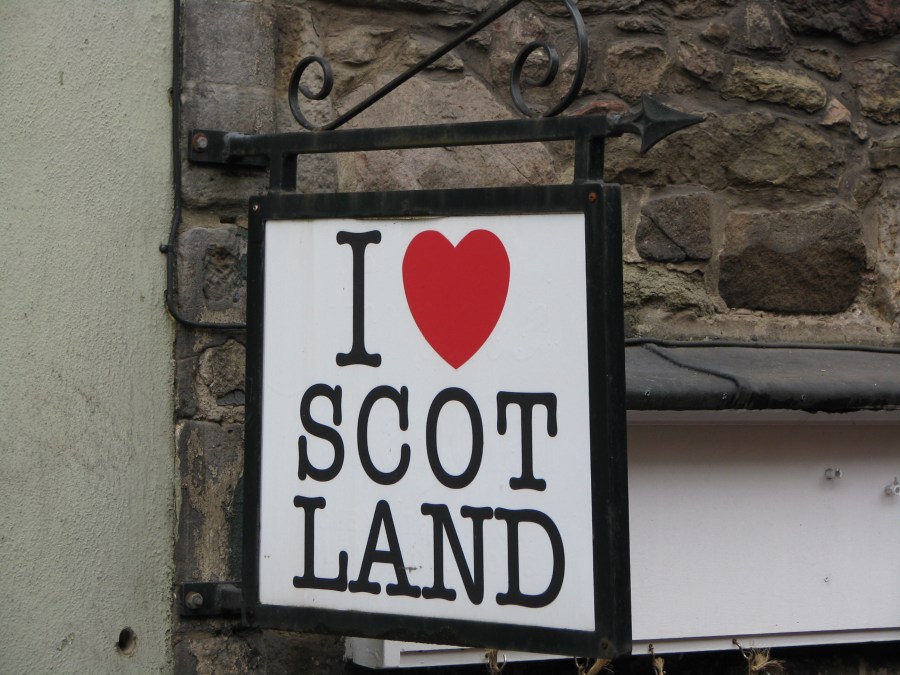
Because of this part of my heritage, Scotland was always one of those places to visit on my bucket list. And so when I had the chance to go a half a dozen years ago, I was ready.
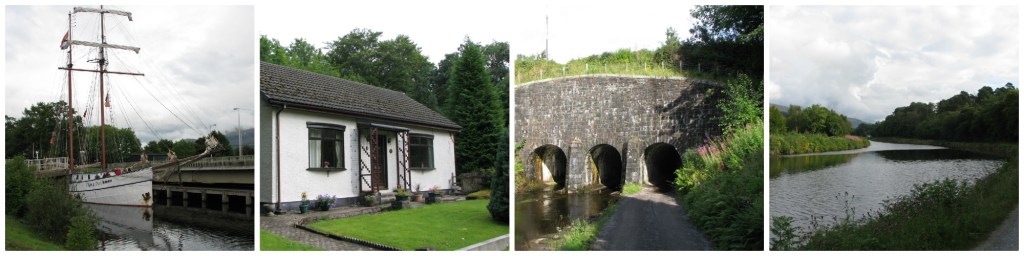
I planned it out: Edinburgh for the Military Tattoo and conveniently, the Fringe Festival; quick tours of Inverness and Glasgow; a visit to the Isle of Skye, and a week in a tiny cottage along the Caledonian Canal (actually under the canal, on the other side), just outside the town of Fort William—and possibly a visit to Grandma Janet’s hometown.
With all the new places I was visiting, the last thing I expected to feel was that I was in my place—the place where I was meant to be.
But as I travelled around for those two weeks, I felt a very strange sense of familiarity—not like I’d been there before or, even more specifically, a sense of déjà vu…
It was more a sense that I was in a place where I truly belonged. That I was “home”.
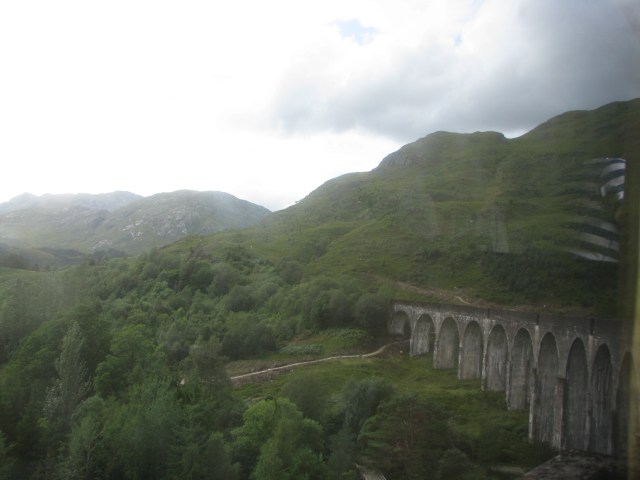

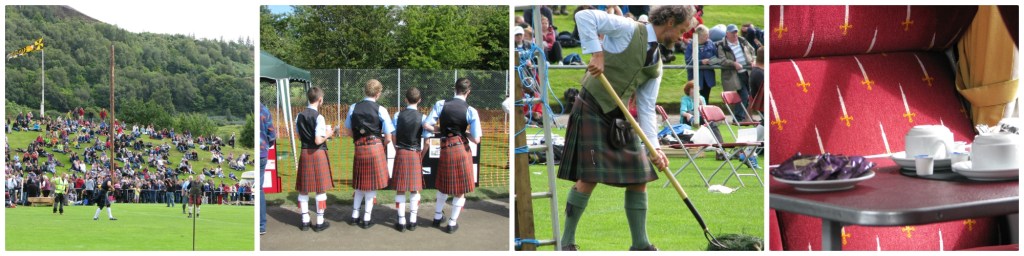
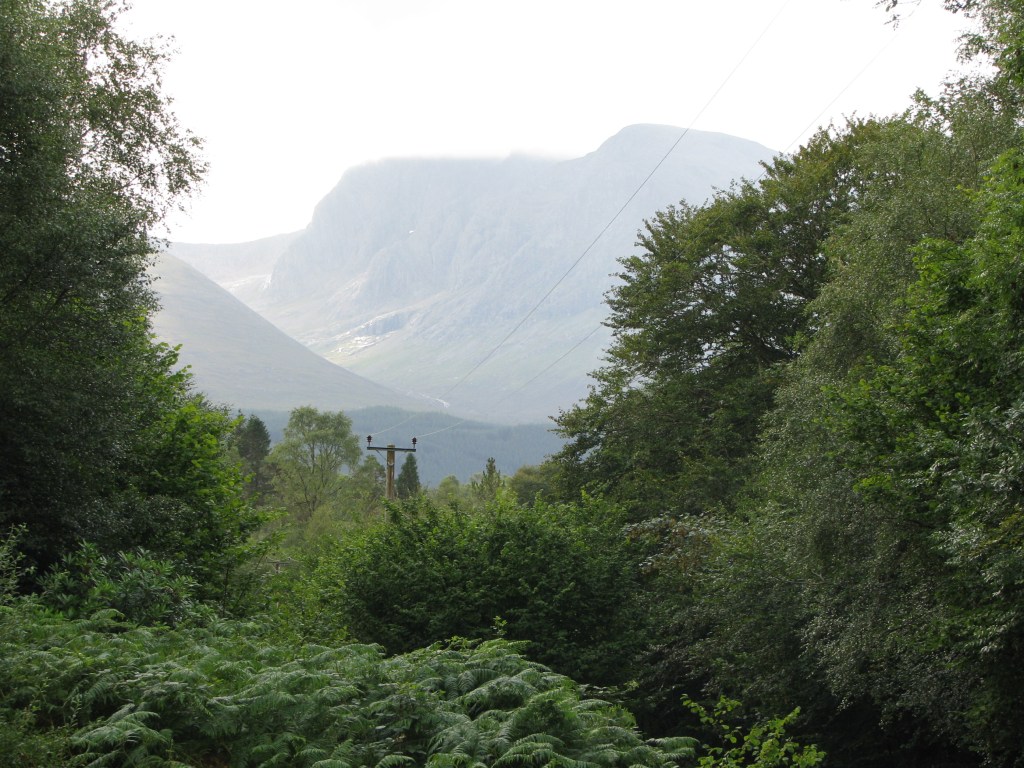
I guess it started pretty much as soon as I got off the train in Edinburgh, and carried through to the day trip to Glasgow and on to Inverness. It was very green and mostly cloudy, although it rarely rained; there were bagpipes and castles everywhere; we took the “Harry Potter train” to the coast; we took in the Isle of Skye and a full-fledged highland games…and then spent a week in that quiet little house that sat on a farmer’s land bisected two hundred years ago by the canal with a full view of the summit of Ben Nevis (which only came out of the clouds once).
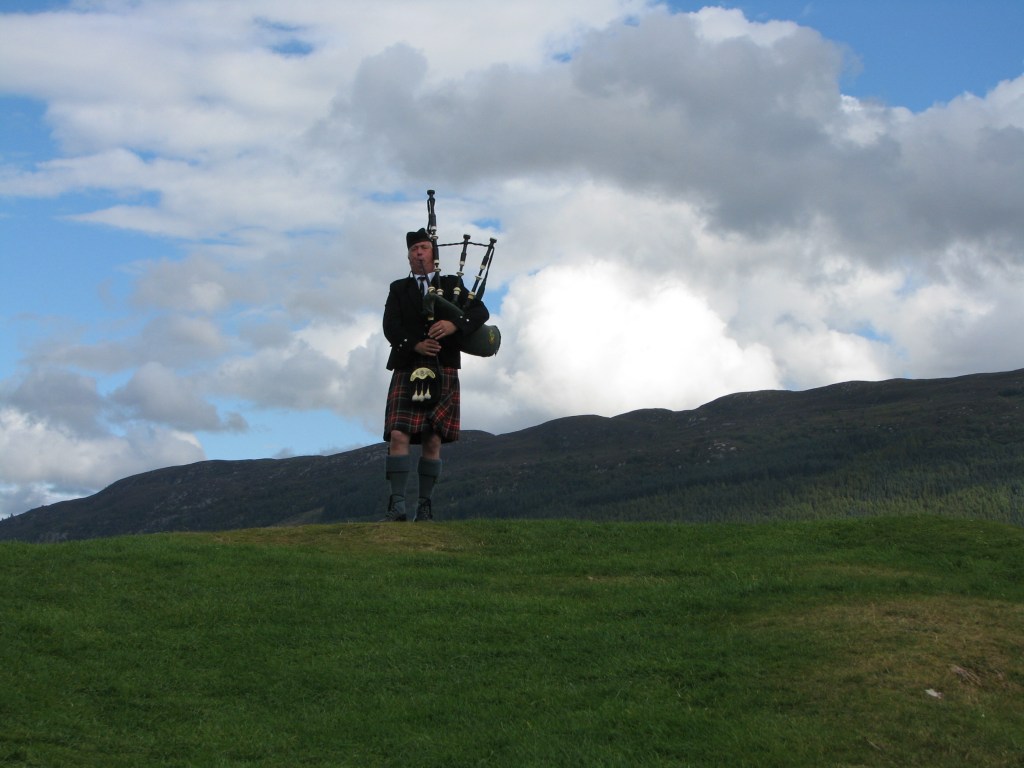
But it really hit me at the Tattoo on the grounds of the Edinburgh Castle. Held every night for three weeks in summer, the Tattoo brings in pipes and drums and other entertainment from around the world. But for me, the part that hit me like a sucker punch, simultaneously in the gut and in my heart and in my head, was a hundred or more bagpipers performing a song I’d never heard before called “Highland Cathedral” (not sure how I managed to hold my camera/phone still):
As they played, it sent chills into me, and I began to cry—a cry that came from deep within, somewhere. I have no idea why; it just came out. If you know me, you know I am not an overly emotional person, so I was in complete shock.
But in that instant came the thought that I was home.
It made me wonder how deeply we are tied to the places from which our ancestors have come. I don’t think Grandma Janet ever returned to Scotland and I didn’t spend enough time with her to have her Scottish-ness seep into my body. And I didn’t get to Greenock, but it didn’t matter.
I haven’t been back since—there are too many other places to see—but something tells me I should find the time to make a pilgrimage back, and to let myself really feel Scotland—to get a sense of myself in this place and to connect.
I’m writing this in a tiny hotel room about as far north in Newfoundland as you can go–no cell service—gack! (I will definitely write about this trip another time), but maybe the reason I’m thinking about this is the people I’ve been meeting along the way. Tourists, who are always pleasant enough (unless they wear their own patriotism too high on their shoulders and don’t take the chance to learn about someone else for a change—you know who you are), but more importantly, the locals. To a person, they have been kind and generous, and funny and engaging—they seem to truly like people, and to truly love life.
I realize that the predecessors of most of the people I’ve met have their roots in Ireland, so I don’t know if there’s a connection there, but the feeling I get here is very close to the ones I felt in Scotland. It’s rejuvenating and refreshing—no pretense, just kindness and a real passion for life we should all have.
So on this Father’s Day, if you have one, give him a call if he’s far away, or go do something fun with him if he’s nearby. Laugh a bit, tell him you love him, do something nice for him.
Ask him to tell you where he’s from. In doing so, you just might find out something about yourself.

 North of 50...